When a retail store or small business moves, the moving bill is rarely the biggest cost. The biggest cost is every day the doors are closed and the till is not ringing.
That changes how the move should be planned. The goal is not just to get everything from the old address to the new one safely. It is to keep selling at the old site for as long as possible, then open at the new site as soon as possible, with as few dead days in between as you can manage.
This guide walks through how to plan that kind of move: what to sort out weeks ahead, how fixtures and stock should travel, and what has to be working before you unlock the new front door.
Work backward from the reopening date
Pick the day you want to open at the new location, then work backward. Everything on this list needs to be done before that morning:
- Fixtures and shelving installed and stable
- Stock on the shelves in the right sections
- Point-of-sale system, card readers and receipt printers working
- Internet and phone lines live
- Signage up, or at least temporary signage in the window
- Any required inspections or permits for the new space completed
Some of these items are outside the mover's control and have long lead times. Internet installation and business phone lines can take several weeks to schedule, so book them as soon as you sign the new lease. Ask your landlord and the city what inspections the new space needs before it can open to customers.
Choose the cutover window
Moving in the Bay Area? Get a detailed written quote for your move.
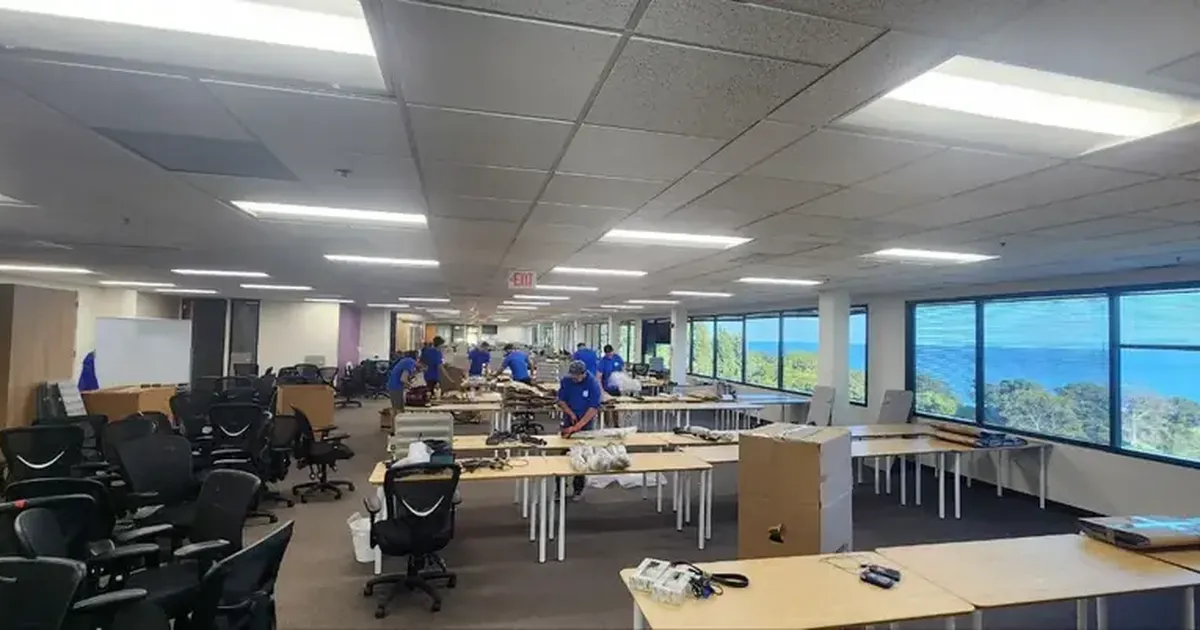
For most shops, the least disruptive approach is an overnight or weekend cutover: close at the usual time at the old location, move overnight or over a day off, and reopen at the new address the next morning or the following day.
To make that work:
- Pack slow-moving stock early. Anything you will not sell in the last week can be boxed, labeled and moved ahead of time.
- Keep the sales floor open until close. Only best-sellers and essential fixtures move on the final night.
- Move back-office items first. Files, spare supplies and non-selling equipment can go in an earlier trip.
- Schedule the final load for after closing. The crew moves floor stock, registers and the remaining fixtures overnight.
Impel plans retail moves around an after-hours cutover for exactly this reason: close one night, reopen the next, with the work done in between.
Label stock by destination, not by origin
The most common reason a store reopens late is not the move itself. It is the unpacking. If boxes arrive labeled by where they came from, staff spend the first day searching for products instead of selling them.
Label by where things are going instead:
- Draw a simple floor plan of the new store and give each section a name or number.
- Label every carton with its destination zone, for example "Zone 3 - Accessories - Front wall."
- Keep back stock and floor stock in separate cartons, clearly marked.
- Put a copy of the floor plan at the new store's entrance so the crew knows where each zone is.
If your store follows a planogram, label cartons to the planogram section. The crew can then place cartons directly in each section, and staff can reset shelves in order without hunting through unmarked boxes.
Fixtures and displays move differently from stock
Shelving, gondolas, display cases and counters each need their own plan:
- Gondolas and modular shelving often travel more safely taken apart. Bag and label the hardware for each unit so it goes back together quickly.
- Glass display cases need custom protection, and sometimes the glass is removed and wrapped separately.
- Counters and cash wraps may be fixed to the floor or wired in. Check whether a contractor needs to detach them first.
- High-value display pieces may need white glove handling.
Walk through the store with your mover before the move and agree which fixtures will be disassembled, which travel whole and which stay behind.
Point-of-sale, internet and payments
Your registers are only useful if they can take payments on opening day. Before the move:
- Ask your POS provider what is needed to relocate the system and whether they need to be on site.
- Confirm the internet at the new address is live and tested before the move night.
- Back up sales data and product catalogs before anything is disconnected.
- Keep a backup way to take payments for the first day in case something does not reconnect.
Impel moves POS hardware, kiosks and back-office equipment as part of the written scope and coordinates timing with your vendors, but the vendors themselves handle disconnects and reconnects for payment systems.
Smaller businesses and offices
The same approach works for small offices, studios and service businesses, just with fewer moving parts. Pack non-essential items early, move on a Friday evening or weekend, and make sure phones and internet work at the new address before Monday. Our small business moves page covers how we plan these.
Tell customers before and after
A move is a chance to reach customers, not just a disruption to explain.
- Put a sign in the window two to four weeks ahead with the new address and opening date.
- Update your Google Business Profile, Yelp listing and website with the new address on the day you reopen.
- Post the reopening date on social media and in any email newsletter.
- Keep a sign at the old location pointing to the new one for as long as the landlord allows.
Updating your listings promptly matters: customers who search for you and find the old address may not make a second attempt.
What goes into the quote
A retail or small business move is priced on the scope: the number and type of fixtures, the volume of stock, how much needs to be disassembled, access at both locations and the cutover window you need. An overnight or weekend window is possible, subject to crew availability and building rules. The more detail you share up front, the firmer the written quote.
For larger relocations, see our commercial moving page or our office relocation checklist.