
Kitchen equipment coordinated
Vendor disconnects for gas, electric, and water lined up around the move.

Restaurant moving
A restaurant move pairs heavy, utility-connected kitchen equipment with fragile dining room stock. Our restaurant movers coordinate vendor disconnects, protect the dining room, and run an overnight cutover so the kitchen can fire again as fast as possible.
Vendor disconnects for gas, electric, and water lined up around the move.
Tables, chairs, glassware, and decor wrapped and handled with care.
Close after service, reopen at the new address the next day.
A restaurant relocation is usually a lease change or a move to a bigger or better kitchen, and the pressure is the same every time: lose as few service nights as possible. The plan keeps the kitchen open to the last service and cuts over to the new address overnight.
Kitchen equipment is the hard part. Ranges, ovens, fryers, and prep units are often connected to gas, water, or power and have to be disconnected by a licensed vendor before they move. The walkthrough records each piece and lines up the vendor work so nothing is waiting on a connection on reopen day.
The dining room moves differently. Tables, chairs, glassware, and decor are wrapped and packed by zone so the new room can be reset to plan, and fragile smallwares are packed carefully rather than tipped into shared cartons.
Refrigerated and frozen stock is planned for too. Where a cold hold is needed across the move, the scope accounts for it so product is not left to warm on a loading dock.
Heavy kitchen gear meets fragile dining stock.
Gas, electric, and water-connected equipment is disconnected and reconnected by licensed vendors; the crew transports it protected and positions it for reconnection.
Glassware, plates, and smallwares are packed by zone and protected, so the new bar and pass are reset without breakage.
The kitchen is positioned for vendor reconnection first, so service can resume while the dining room is still being finished.
Restaurant moves cover kitchens and dining rooms. If the move is different, start here.
Equipment count and utility connections, cold stock needs, dining room volume, and the cutover window. The moving costs page explains how restaurant scopes are priced in writing.
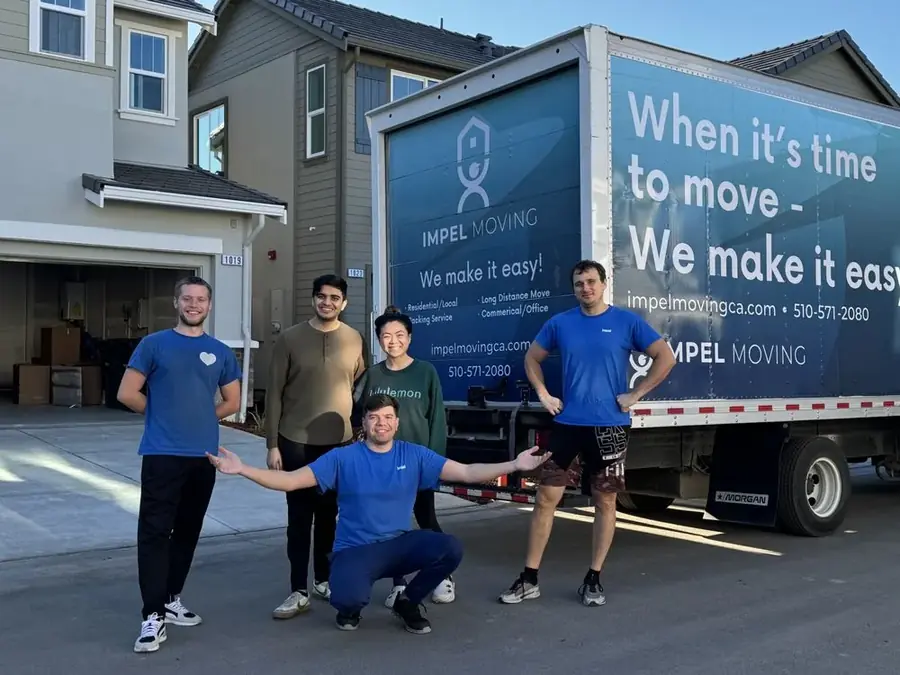

Trained crews
Uniformed movers, padded and wrapped furniture, and a written estimate before anything gets loaded.
Get my quotePlanned around service hours
The walkthrough records each piece of equipment, what it needs from a vendor, and the dining room volume.
Licensed disconnects and any refrigerated cold hold are confirmed before the cutover is scheduled.
The kitchen closes after service, equipment is transported protected, and the dining room is packed by zone.
Equipment is positioned for vendor reconnection so service can resume while the dining room is finished.
Service area
Restaurant sites across the Bay Area carry tight street loading, shared docks, and vented utility rules. We confirm each one with both buildings before scheduling.
Good to know
Gas, electric, and water-connected equipment is disconnected and reconnected by licensed vendors; we transport it protected and position it for reconnection.
Yes. The cutover is built around your service nights, with the kitchen closing after service and reopening at the new address.
Fragile smallwares are packed by zone and protected, so the new bar and pass are reset without breakage.
Where a cold hold is needed across the move, the scope accounts for it so product is not left to warm on a loading dock.
Yes. Equipment is positioned for vendor reconnection first, so service can resume while the dining room is still being set.
Service nights, protected
Tell us your equipment, cold stock, and service hours. We will return a detailed written estimate and an overnight cutover plan.