
Curb access
Confirm where and when the truck can legally load.
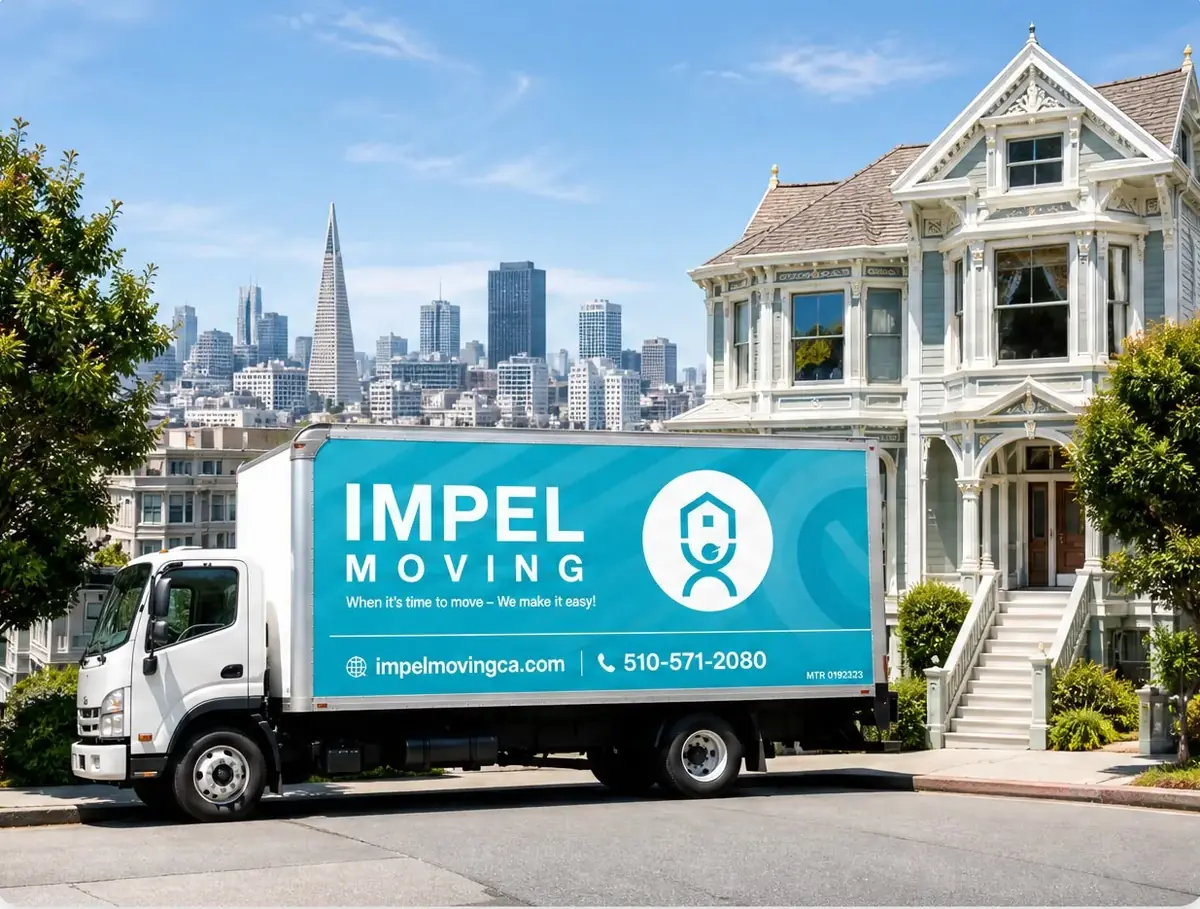
Access planning
Where the truck parks decides how long your move takes. Steep streets, permit zones, garage clearances, and elevator windows all get settled before move day.
Confirm where and when the truck can legally load.
Reserve the service elevator at both addresses.
Ask management exactly what they require.
Rules differ by city, and posting lead times are real deadlines. Check current requirements with the relevant city transportation or public works department for each address.
Property managers often control more of your move day than the city does.
Narrow lanes, low garages, and hillside access sometimes need an alternate access plan from the closest legal loading point. Identifying that during the estimate keeps it documented in the quote rather than becoming a move-day problem.
Your coordinator prepares the Certificate of Insurance, works with your building on elevator windows and move hours, and tells you plainly which permits you need to arrange locally.
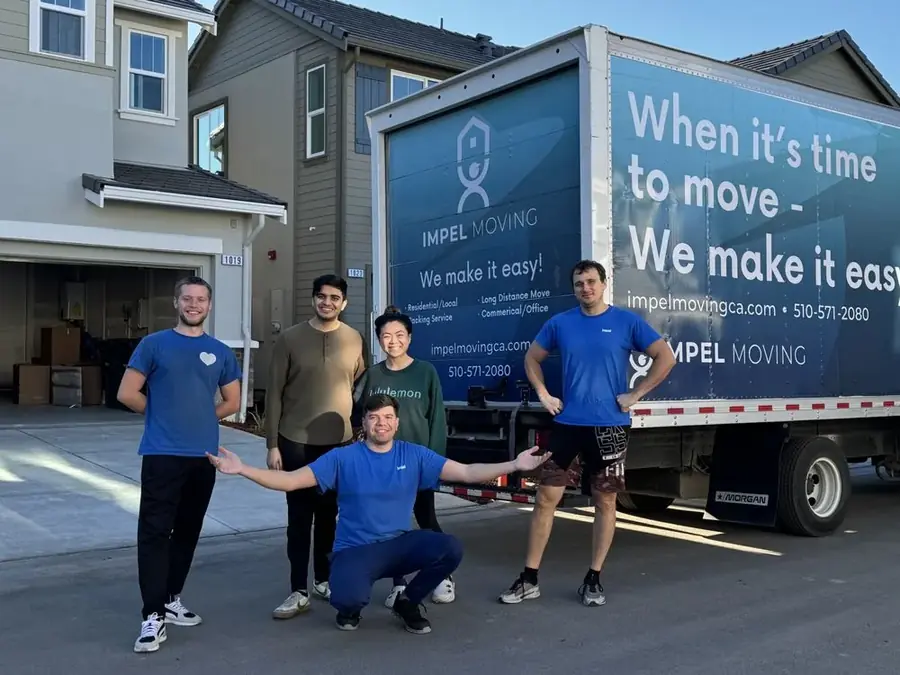

Trained crews
Uniformed movers, padded and wrapped furniture, and a written estimate before anything gets loaded.
Get my quoteService area
Impel is locally owned and operated, with crews working the Peninsula, San Francisco, and South Bay every week.
Good to know
It depends on the city and the exact loading location. Some blocks need a posted temporary no-parking zone; others do not. Check with the local transportation or public works department for each address.
Cities typically require several business days' lead time for posting, so request as soon as your date is confirmed.
We do. Send your building's required wording and deadline to your coordinator and we issue it directly to management.
The crew lead works the nearest legal option and adjusts the carry plan. Reserving or posting the space beforehand is the reliable way to avoid it.
Access sorted early
Tell us your addresses and building contacts, and we'll line up the COI, elevator, and loading plan with your quote.