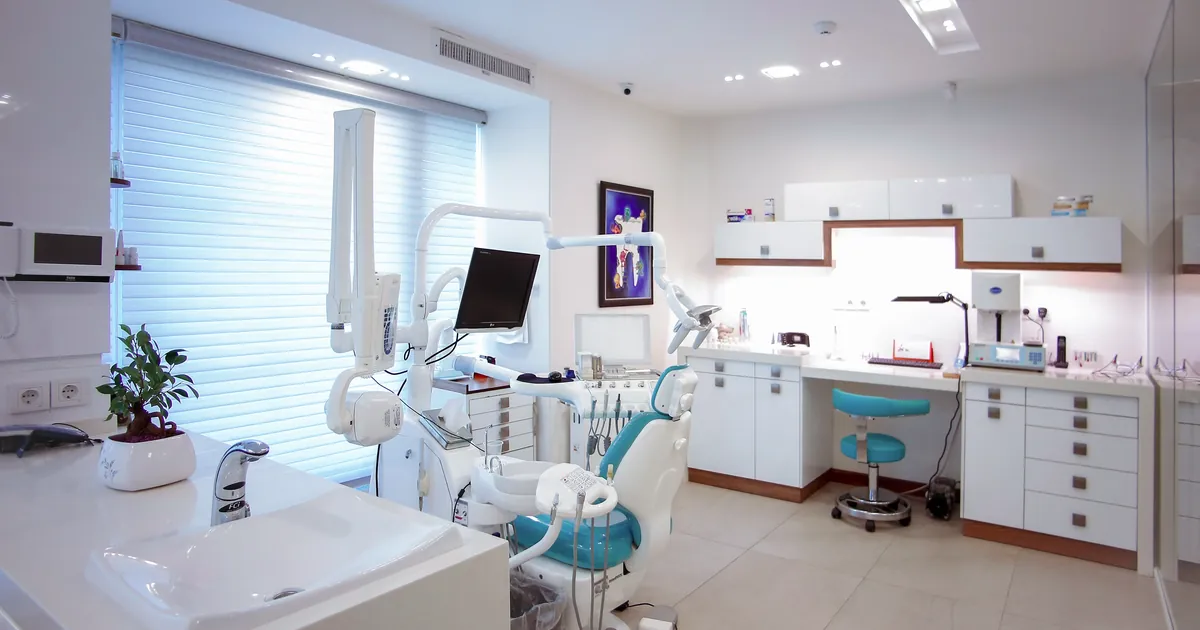
Moving a dental practice is very different from moving a typical office. A practice may need to relocate dental chairs, imaging equipment, sterilization equipment, computers, instruments, supplies, patient records and ordinary office furniture - while keeping the interruption to patient appointments as short as possible.
For a practice moving between San Francisco, San Mateo, Redwood City, San Jose or another Bay Area city, the most important question is not simply, "How quickly can the movers move us?" It is:
What needs to happen before the first patient can be seen at the new location?
Start with the reopening date, not the moving date
A common mistake is planning everything around the day the moving truck arrives. Instead, work backward from the first day you expect to see patients at the new office.
Before reopening, you may need your dental equipment reconnected, computers and practice-management systems working, imaging equipment ready, instruments and supplies organized, treatment rooms set up and required building access completed.
That means your mover is only one part of the relocation. Your equipment vendors, IT provider, building management and other specialized contractors may all need to work within the same transition window.
Who moves dental chairs and equipment?
Moving in the Bay Area? Get a detailed written quote for your move.
One of the first questions to resolve is which equipment can be handled by the moving company and which equipment requires a specialized technician.
Dental chairs and equipment connected to plumbing, electrical systems, compressed air, vacuum systems or other building infrastructure may require qualified vendors to disconnect and reconnect them. The moving company's responsibility may begin only after the equipment has been properly disconnected and prepared for transportation. Do not wait until moving morning to determine this.
Create an equipment list several weeks before the move and assign responsibility for:
- Disconnecting the equipment
- Preparing it for transportation
- Moving it
- Reconnecting it
- Testing it at the new office
Every item should have an owner.
What about dental X-ray and imaging equipment?
Imaging equipment deserves its own planning conversation. Do not assume that an ordinary office move and an X-ray equipment relocation follow the same process.
In California, X-ray machines are registered with the Department of Public Health's Radiologic Health Branch, and the registration records the address where each machine is installed. Before the move, confirm the relocation requirements with your equipment manufacturer or qualified service provider, and with the Radiologic Health Branch for updating your facility information.
The moving schedule should then be coordinated around the technicians responsible for preparing and reinstalling that equipment.
Plan controlled substances separately
If the practice stores or dispenses controlled substances, its DEA registration is tied to the practice address. A practitioner who moves must request a modification of that registration, and the new location should not be used for dispensing until the change is approved.
Treat this as its own item on the relocation plan, with its own owner and timeline, well before moving day.
Protect patient records during the move
Physical patient records should not simply be packed into ordinary boxes and treated like office supplies. Before moving day, determine which records will be transported, who will have access to them, how containers will be secured and labeled, and how custody will be maintained from the old practice to the new one.
Electronic records create a different challenge. Your IT provider should determine when computers, servers, networking equipment, phones and practice-management systems will be shut down and when they will be brought back online. Our IT and server relocation page explains how the physical side of that equipment can be planned alongside the move.
The goal is to avoid discovering on reopening morning that the furniture arrived but the practice cannot access its systems.
Check both buildings
A dental practice move involves two properties, and either building can delay the move. Confirm requirements at both locations, including:
- Moving hours
- Certificate of Insurance requirements
- Elevator reservations
- Loading access
- Parking restrictions
- Building protection requirements
- Vendor access
- After-hours procedures
This is particularly important when moving into or out of a multi-tenant medical or professional building.
Build a move weekend around multiple teams
For some practices, an evening or weekend relocation can reduce the number of patient appointments affected. But the schedule needs to account for more than movers. A typical sequence may look like:
- Before the move: Equipment vendors disconnect and prepare specialized equipment. Supplies and instruments can be packed ahead of move day, with sterile supply kept separate.
- Moving day: Movers transport approved equipment, furniture, records, supplies and packed contents.
- After delivery: Equipment technicians, IT providers and other vendors reconnect and test their respective systems.
- Before reopening: The practice verifies treatment rooms, equipment, supplies, computers and patient-facing areas.
The exact sequence will depend on the practice and the equipment involved. For the wider office-move timeline, see our office relocation checklist.
The most important question
Before confirming your moving date, ask:
"If the movers finish on Saturday, what still has to happen before we can see a patient?"
The answer often reveals the real relocation schedule. A successful dental office move is not measured only by whether everything reaches the new address safely. It is measured by whether the practice can resume operations as planned.
Impel Moving helps Bay Area dental and medical practices coordinate the moving portion of their relocation, including careful transportation of approved equipment, office contents, records and furniture while working with the practice's building management and designated vendors. We plan practice moves in San Francisco, San Mateo, Redwood City, San Jose and across the Bay Area.