
Moves outside trading hours
Overnight, weekend, and holiday scheduling protects revenue.
Commercial moving
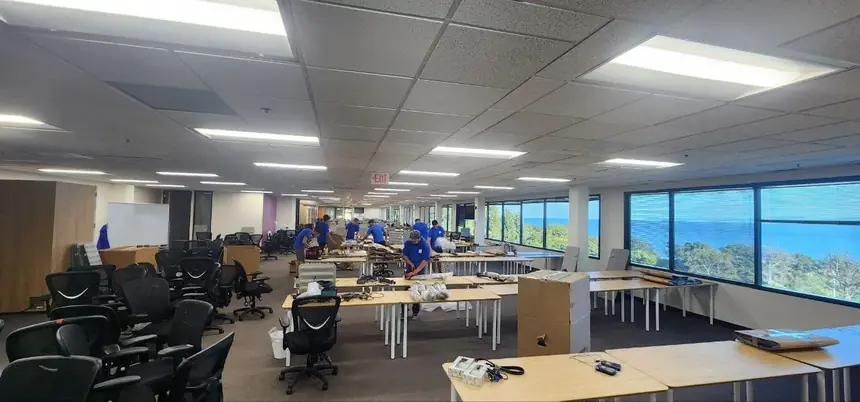
A commercial move is measured in hours closed. Our commercial movers in the Bay Area plan around your trading hours, label by department, and sequence the work so the business reopens in the order it needs to - not the order the truck happened to load.
Overnight, weekend, and holiday scheduling protects revenue.
Building requirements at both sites settled before move day.
Stock, fixtures, and records land where each team expects them.
Every hour the doors stay shut costs money, so a commercial move is really a scheduling problem with a truck attached. The plan lines up people, equipment, buildings, and time - then works in the order your functions need to come back, so critical operations return first rather than last.
Retail fixtures, clinic equipment, studio gear, and warehouse stock all move differently. The walkthrough records what you have, what it needs, and what can be offline longest, and that sequence becomes the written plan.
Phased moves are a regular request: part of the business keeps operating while another part relocates, then the sequence reverses. The plan names which functions move in which wave so trading continues throughout.
We also plan for what is leaving. Surplus furniture, retired workstations, and end-of-life equipment can be removed through our disposal service in the same written scope, so the old space hands over clean and the new one opens without yesterday's furniture stacked in a hallway.
Insurance paperwork is routine for us. Both buildings usually want a Certificate of Insurance with specific wording, and some want it days before the move. Send us the requirements early and the certificates go out with the wording each property manager expects, so move day is never held up at the loading dock.
The inventory is wider than desks and chairs.
Departments and functions are moved in the order they need to be operational, so the things the business runs on are unloaded and placed first.
Benching systems, modular walls, and sit-stand desks are disassembled and rebuilt by the same crew that packed them, with hardware labeled per station. No outside assembler, no orphaned parts.
Files and records travel in sealed, labeled cartons that stay with the crew and are logged at both ends, so custody is never ambiguous.
This page covers non-office businesses. If the work is mostly desks and workstations, start elsewhere.
Square footage, equipment and fixture types, the hours you can afford to be down, after-hours timing, and building requirements at both sites. The moving costs page explains how commercial scopes are priced in writing.
Trained crews
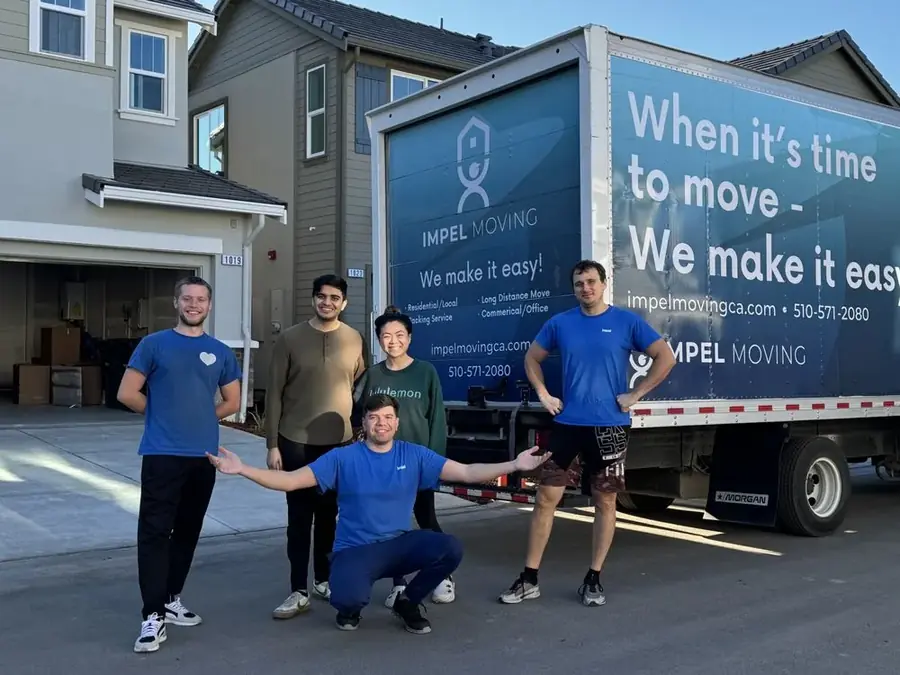
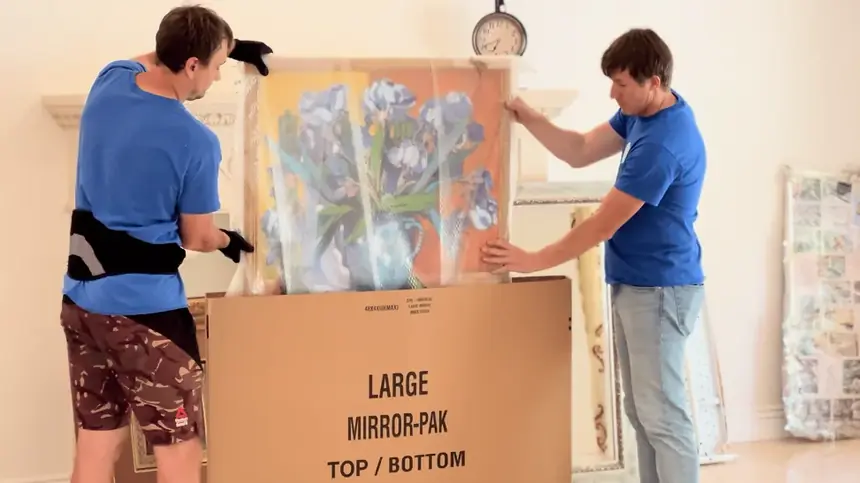
Uniformed movers, padded and wrapped furniture, and a written estimate before anything gets loaded.
Get my quotePlanned around trading hours
The walkthrough records what moves, what it needs, and what can be offline longest.
COIs, dock reservations, and freight elevator windows are confirmed at both sites.
Overnight or weekend work follows the reopening sequence, not the loading convenience.
Your nominated contact signs off against the plan before the crew leaves.
Service area
Limited loading on commercial streets, shared docks in mixed-use buildings, badge access, and freight elevator windows are everyday constraints for our crews. We confirm each one with both buildings before scheduling.
Good to know
Yes. Overnight, weekend, and holiday scheduling is standard for commercial work, so your team returns to a working space instead of a half-moved one.
Crews disconnect, protect, transport, and reposition equipment. Certified installation and licensed electrical work stay with your vendors - we coordinate around them.
Records move in sealed, labeled cartons that stay with the crew and are logged at pickup and delivery, keeping the chain of custody clear.
Your nominated site contact walks both premises with the crew lead against the written plan before the crew leaves either site.
Yes. Phased moves are common - departments or functions move in a planned sequence so part of the business keeps operating throughout.
Downtime, minimized
Tell us your square footage, equipment, and the hours you can be down. We will return a detailed written estimate and a reopening sequence.