
Elevator reserved
The service elevator is booked for a named window before the date is held.
Downtown buildings and towers
A downtown move is decided by the building, not the furniture. Impel reserves the service elevator, confirms the loading dock and move-hour window, files the Certificate of Insurance with management, and plans truck placement on streets where the curb is the hardest part of the job.
The service elevator is booked for a named window before the date is held.
Loading dock time confirmed and the certificate filed with building management.
Truck placement worked out for narrow streets, hills, and permit zones.
Most downtown buildings ask for the same things. Getting them in early is what keeps a move date.
Towers run moves inside fixed hours, often on weekdays only, and the service elevator is shared with every other move and delivery in the building. A reservation is a named time slot, not a general permission, and overrunning it can end a move halfway through. The sequence is planned around the window you are given.
Some towers have a dock with a height limit, some have a freight entrance on a different street, and some have neither. Where the truck cannot get close, the carry distance becomes part of the plan and the crew size, not a surprise on the day.
Downtown streets were not designed around moving trucks. Grade, street width, bus and bike lanes, and permit zones all decide where a truck can legally stop. Curb access and permit zones are covered on the permits and parking page.
In a building with a timed elevator window, packing done before move day is what makes the window achievable. Cartons labeled by room let the crew place and unpack in a sequence rather than stacking everything in the hallway.
Forward the building's moving requirements as soon as you have them, from both addresses if both are managed buildings. That document drives the COI wording, the elevator booking, and the hours we plan around.

Trained crews
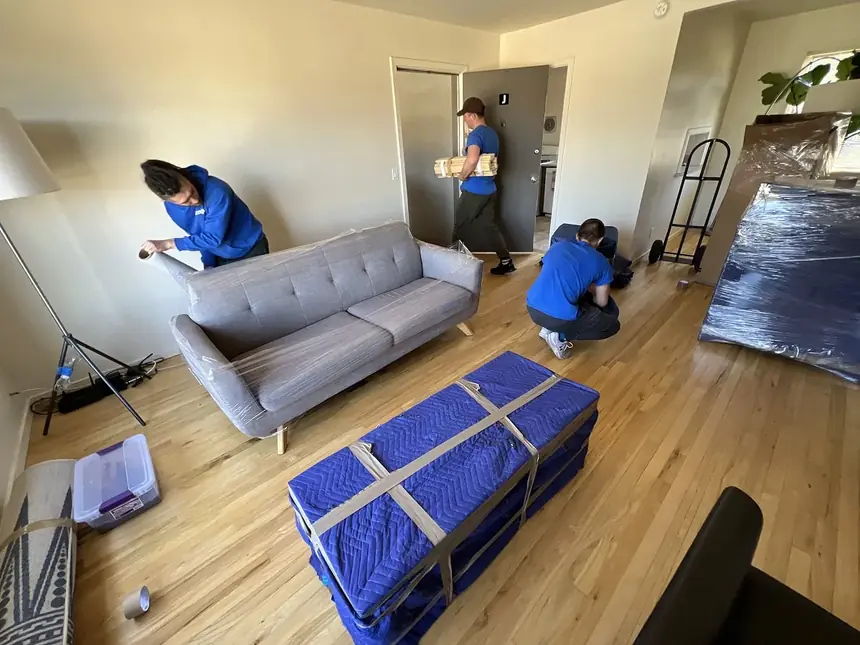
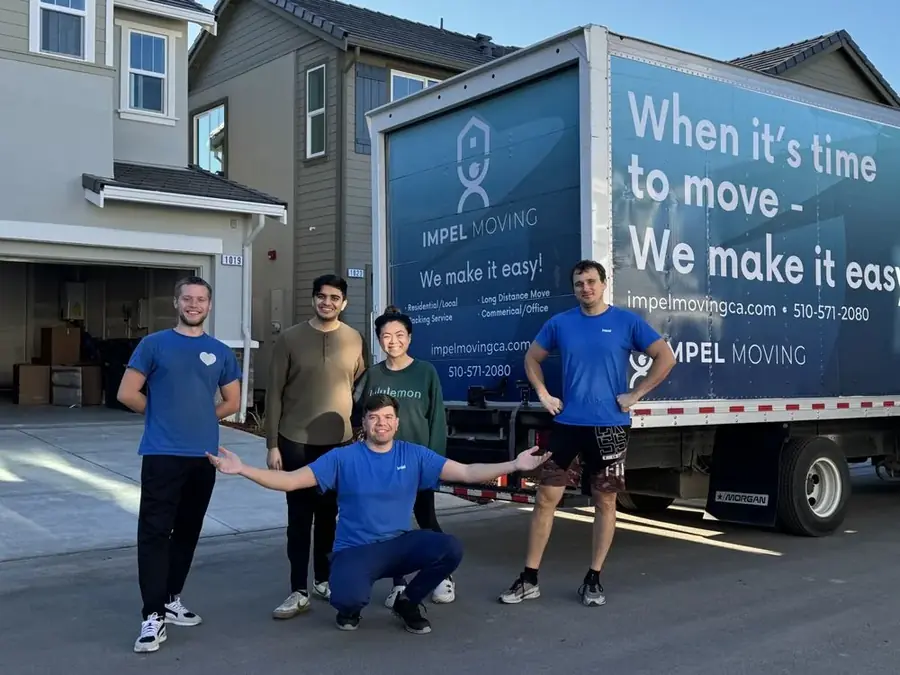
Uniformed movers, padded and wrapped furniture, and a written estimate before anything gets loaded.
Get my quoteHow it runs
Forward the moving rules or COI sample from building management at each address. If you do not have them, ask the front desk or property manager.
The Certificate of Insurance is prepared with the required wording and sent to management, within one business day of receiving complete requirements.
The service elevator window and dock or freight entrance time are confirmed, and the move is scheduled to fit inside them.
Truck placement, permit needs, and carry distance are worked out before the date is held, so the crew size matches the job.
Good to know
Yes. Your coordinator books the service elevator window and the dock or freight entrance with building management as part of planning the move.
Within one business day of receiving the building's complete requirements. Buildings set their own deadline for having it on file, so send the requirements as early as you can. Use the certificate of insurance request form to send us the building details.
The carry distance is measured during planning and built into the crew size and the schedule. Where a permit can hold curb space, that is arranged in advance. Curb access is covered on the permits and parking page.
Yes for commercial and office relocations, which often run overnight or at weekends to fit building rules. Residential high-rise moves are limited by the hours the building permits.
Yes. Both buildings are treated as separate sets of requirements, with their own COI, elevator window, and dock booking, and the day is sequenced so the second window is not missed.
Ask any mover how they book a service elevator, what they do when the dock is occupied, and who files the Certificate of Insurance. Impel handles all three as part of planning, and states the plan in the written estimate before the date is held.
Downtown and the towers
Forward the moving requirements from management and we will put the elevator, the dock, the COI, and the curb into one written plan.