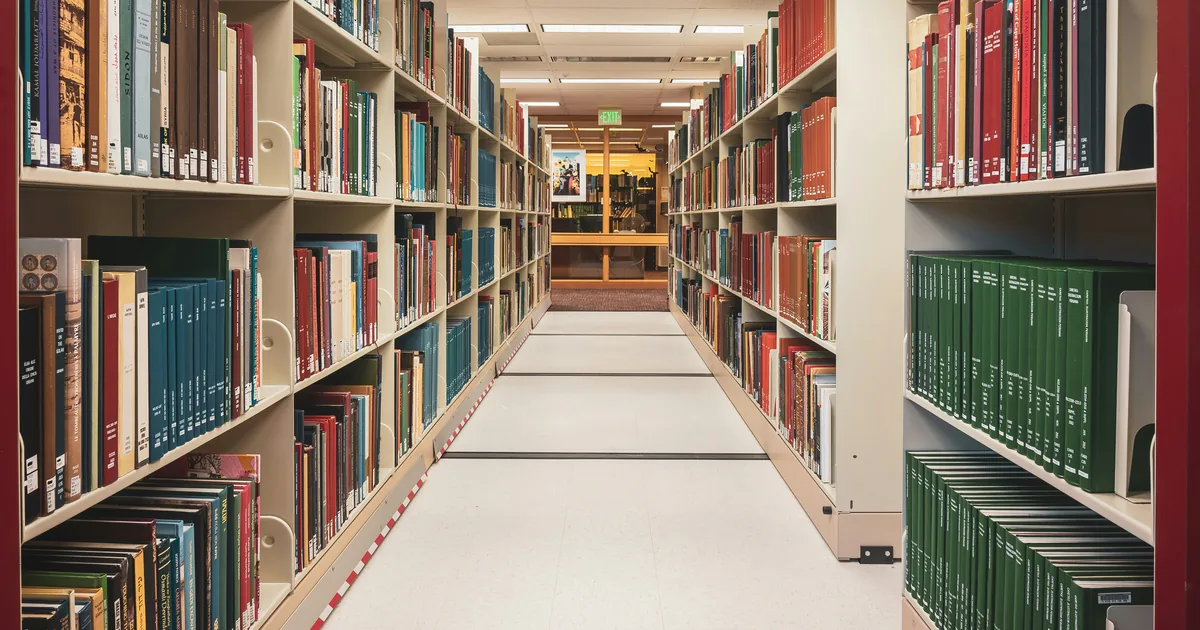
Moving a library is not like moving an office. In an office, a box of supplies can go anywhere and be sorted later. In a library, a collection that arrives out of order is not usable until someone puts it back in order, shelf by shelf.
That is why the most important question in a library, school or archive move is not how fast the trucks can be loaded. It is:
Will every item land on the right shelf at the new building?
Start with the closure window
Most institutions cannot close for long. Before anything else, decide when the move can happen and what has to stay open while it does.
- Libraries often plan around a planned closure or a low-use period.
- Schools usually plan around summer or a term break.
- Agencies and archives may need records available on request during the move.
The closure window shapes everything else: crew size, the number of days, and whether the move runs in phases.
Measure the collection in linear feet, not boxes
Moving in the Bay Area? Get a detailed written quote for your move.
Box counts are guesses. Shelf space is what matters at the other end.
- Measure the occupied shelving range by range, in linear feet.
- Measure the new shelving capacity the same way.
- Compare the two before packing. If the new building has less shelving, decide now what will be weeded, stored or shelved elsewhere.
- Leave growth space. A collection packed tight on day one has nowhere to grow.
This is also the best moment to weed. Every item removed before the move is one less item to pack, carry and reshelve.
Map old shelves to new shelves before packing
The move plan should say where each range is going before the first box is packed. A simple shelf map does the job:
- Each old range and section gets a number.
- Each number is assigned a destination range and section in the new building.
- Labels on every box carry that destination, plus a sequence number.
When the crew unloads, the boxes go straight to their destination section and are reshelved in sequence. On Impel moves, materials are boxed in shelf sequence, labeled to their destination, and reshelved in the same sequence at the new site.
Get the shelving ready before the books arrive
Shelving is often the bottleneck. If the stacks are not standing at the new building, the collection has nowhere to go.
- Moving existing shelving: Units are disassembled, moved and rebuilt. Label the hardware so each section goes back together correctly.
- New shelving: Schedule the installation so sections are assembled before their part of the collection arrives.
- Seismic anchoring: In the Bay Area, tall shelving should be anchored. Confirm with your facilities team or shelving installer who is responsible, and when.
Impel sequences shelving assembly and stocking so each section is ready before its collection arrives.
Records, archives and special collections
Not everything in an institution is on open shelves.
- Archives and records: Cartons should be labeled, sealed where needed, and logged at both ends, so you can show where every carton went.
- Confidential records: Decide who on your staff signs off at pickup and at delivery.
- Rare, fragile or high-value items: Plan these separately from the general collection. Our guide to moving art, antiques and high-value items covers how to document and protect pieces that cannot be replaced.
Schools: classrooms, offices and libraries at once
A school move usually combines three different jobs: classrooms, administrative offices and the library. Each needs its own labeling system.
- Label classroom contents by destination room number, not by teacher name.
- Ask staff to pack personal items and current teaching materials themselves, and mark them for first delivery.
- Keep student records separate, with a named staff member responsible for them.
- Move the library with a shelf map, as above.
Computers, furniture and public areas
Reading-room tables, study carrels, display furniture and public seating move with the collection. Computers and network equipment need your IT team or vendor to plan shutdown and reconnection. Our server room relocation checklist explains how to plan the technology side.
Check both buildings
Public buildings and campuses often have their own access rules. Before scheduling, confirm loading dock access, elevator availability, permitted hours, floor protection and any Certificate of Insurance requirements at both ends.
Questions to ask a mover about a library move
- How will you keep the collection in shelf order from packing to reshelving?
- How are boxes labeled, and who checks the sequence at the new building?
- Who disassembles and rebuilds the shelving?
- How are records and archive cartons logged at each end?
- Can the move be phased around our closure window?
Planning a library or institutional move?
Impel plans library and institutional moves for libraries, schools and public agencies across the Bay Area, including San Francisco, Redwood City, San Jose and San Rafael. The work is planned around closures, term breaks and low-use periods, so the collection moves in order and the building reopens on schedule.